
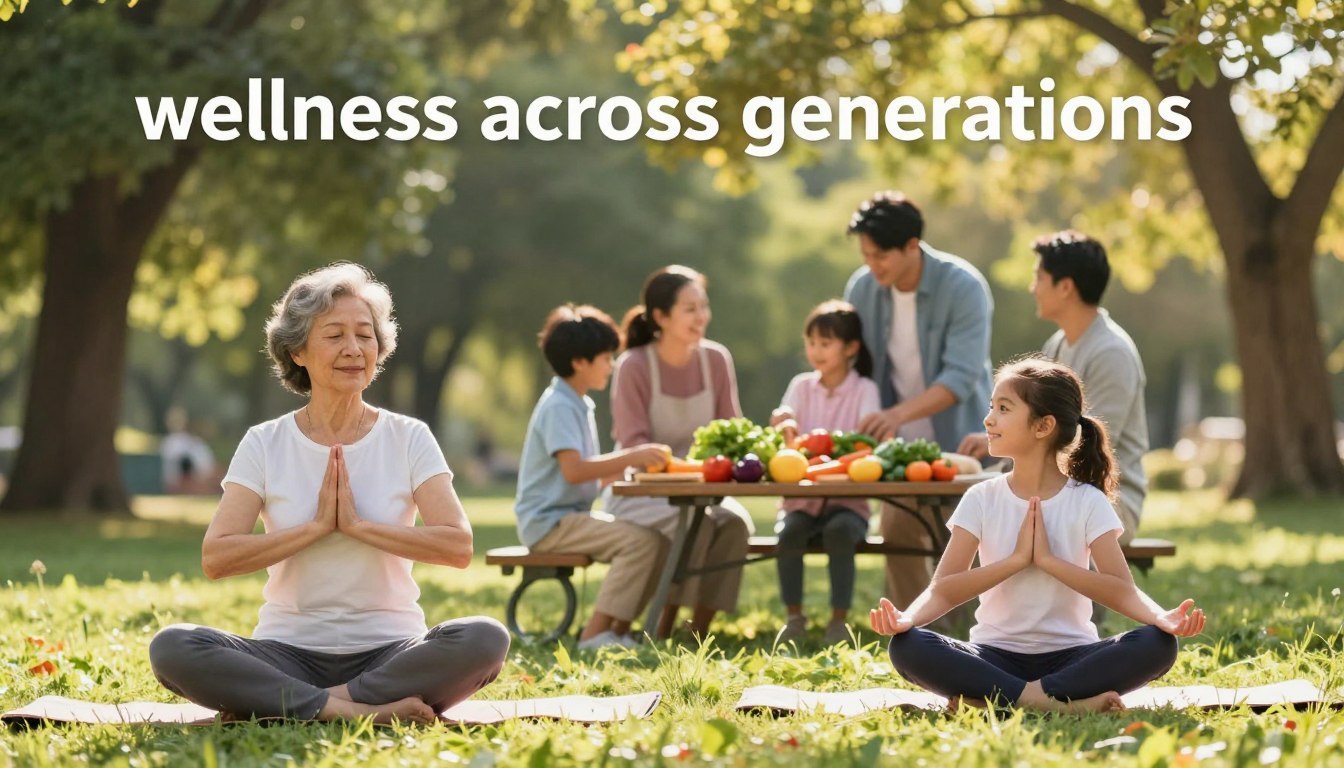
Did you know that over 80% of your health outcomes depend on factors outside of a doctor’s office? This surprising fact highlights how our daily habits and environment shape long-term vitality. It suggests that staying healthy is a family journey rather than a solo task.
Focusing on family health helps everyone build lasting habits together. Instead of looking for quick fixes, many people now seek holistic wellness solutions that support the mind and body. This approach creates a supportive culture where every family member thrives at any age.
Embracing comprehensive health allows us to connect deeper with our loved ones. When we prioritize balance, we ensure a brighter, more active future for our children and parents alike. Taking these small steps today leads to significant rewards for the entire household.
Key Takeaways
- Health outcomes depend largely on daily lifestyle choices and environments.
- Building healthy habits together strengthens family bonds and long-term vitality.
- A holistic approach addresses physical, mental, and emotional needs for all ages.
- Preventative care reduces the need for reactive medical treatments later in life.
- Small, consistent changes create a sustainable culture of health at home.
- Shared activities like walking or cooking promote wellness for kids and seniors.
Understanding Holistic Wellness for Every Age Group
As families strive for better health, understanding holistic wellness for every age group becomes increasingly important. Holistic wellness is an approach that considers the physical, emotional, and mental well-being of individuals across different age groups within a family.
What Holistic Health Means for Your Family
Holistic health for your family involves adopting a comprehensive approach to health that goes beyond just physical well-being. It encompasses emotional, mental, and social health, recognizing that each aspect influences the others.
A holistic approach to family health encourages open communication, shared activities, and mutual support among family members. This can lead to a more harmonious and supportive family environment.
Why Multi-Generational Wellness Programs Strengthen Family Bonds
Multi-generational wellness programs are designed to engage family members across different age groups in health-promoting activities. These programs foster a sense of unity and cooperation among family members.
- They encourage shared learning experiences, such as cooking healthy meals together or participating in fitness activities.
- They provide opportunities for different generations to share their knowledge and experiences, promoting intergenerational understanding and respect.
- They help in creating lasting memories and strengthening family bonds through collective participation in wellness activities.
Identifying Your Family’s Unique Wellness Needs
Every family is unique, with its own set of health challenges and wellness goals. Identifying these needs is crucial for developing effective family health strategies.
- Assess the current health status of each family member, including any chronic conditions or health concerns.
- Consider the lifestyle factors that impact your family’s health, such as diet, physical activity levels, and stress management practices.
- Set realistic wellness goals that are tailored to your family’s specific needs and circumstances.
How to Build Your Wellness Across Generations Action Plan
To promote wellness for every age group within your family, it’s essential to devise a tailored action plan. This plan should be comprehensive, addressing the diverse needs of each family member while fostering a culture of health and well-being across generations.
Step 1: Conduct Individual Health Assessments for Each Family Member
Understanding the current health status of each family member is foundational to creating an effective wellness plan. This involves assessing both physical and mental health baselines.
Evaluating Physical Health Baselines
Start by evaluating the physical health of each family member. This can include:
- Conducting medical check-ups to identify any underlying health issues.
- Assessing current physical activity levels and nutritional habits.
- Identifying any physical limitations or disabilities that may impact the wellness plan.
Understanding Mental and Emotional Starting Points
Equally important is understanding the mental and emotional well-being of each family member. This involves:
- Assessing stress levels and coping mechanisms.
- Evaluating emotional intelligence and resilience.
- Identifying any mental health concerns or emotional challenges.
Step 2: Create Shared Family Health and Wellness Goals
Once individual health assessments are complete, the next step is to create shared family health and wellness goals. These goals should be inclusive, realistic, and tailored to the diverse needs within the family.
Setting Age-Appropriate Objectives
It’s crucial to set objectives that are appropriate for each age group within the family. For example:
- For children, goals might include developing healthy eating habits and engaging in regular physical activity.
- For adults, objectives could involve stress management techniques and maintaining a balanced diet.
- For seniors, goals might focus on maintaining mobility and managing chronic health conditions.
Establishing Measurable Wellness Milestones
To track progress, it’s essential to establish measurable wellness milestones. This could include:
- Reducing screen time by a certain amount each week.
- Increasing the frequency of family physical activities.
- Improving overall nutrition by cooking healthy meals together as a family.
Step 3: Designate Regular Family Wellness Check-Ins
Regular check-ins are vital to monitor progress, address challenges, and make necessary adjustments to the wellness plan. These check-ins can be scheduled weekly, bi-weekly, or monthly, depending on the family’s schedule and preferences.
By following these steps and utilizing well-being resources for families, you can create a comprehensive wellness action plan that promotes wellness for every age group and strengthens family bonds.
Implementing Physical Fitness for Different Generations
Physical fitness is a vital component of holistic health, and its implementation varies significantly across different generations within a family. As people age, their fitness needs change, requiring tailored approaches to exercise and physical activity.
Designing Movement Plans for Children and Adolescents
For younger family members, physical activity is crucial for development, growth, and establishing lifelong healthy habits. Encouraging children and adolescents to engage in a variety of fun and engaging physical activities is essential.
Encouraging Active Play and Sports Participation
Active play and sports are excellent ways to get children moving. Parents can encourage participation in school sports teams, local clubs, or simply playing in parks and backyards. This not only improves physical health but also enhances social skills and teamwork.
Building Healthy Exercise Habits Early
By introducing a range of physical activities early in life, parents can help children develop a positive relationship with exercise. This can include dancing, swimming, or simply going for family walks or bike rides. The key is to make physical activity enjoyable and a regular part of family life.

Creating Effective Fitness Routines for Adults
Adults often face unique challenges in maintaining physical fitness due to work, family, and other responsibilities. However, it’s crucial for adults to prioritize their physical health to maintain energy levels, manage stress, and prevent chronic diseases.
Balancing Cardio, Strength, and Flexibility Training
A well-rounded fitness routine for adults should include a mix of cardiovascular exercise, strength training, and flexibility exercises. This can be achieved through a variety of activities such as jogging, weightlifting, yoga, or Pilates. Adults should aim to find activities that they enjoy and that fit into their lifestyle.
Adapting Exercise Programs for Older Adults and Seniors
As people age, their exercise needs change. Older adults and seniors require physical activities that are low-impact, safe, and tailored to their health status and mobility.
Low-Impact Activities That Maintain Mobility
Low-impact activities such as walking, tai chi, or water aerobics are excellent for older adults. These activities help maintain mobility, improve balance, and reduce the risk of falls.
Fall Prevention and Balance Exercises
Exercises that focus on balance and strength are crucial for preventing falls among older adults. Simple activities like standing on one foot, heel-to-toe walking, or using balance equipment can significantly reduce fall risk.
By understanding and implementing these strategies, families can promote physical fitness across different generations, enhancing overall health and well-being.
Nurturing Mental Health for All Ages
Mental health is a vital aspect of overall wellness that affects every generation. As families strive to maintain a healthy and supportive environment, nurturing mental health across all age groups becomes increasingly important. This involves understanding the unique mental health needs of each family member, from children to seniors, and implementing strategies to support their emotional and psychological well-being.
Teaching Stress-Reduction Techniques to Every Generation
Stress is an inevitable part of life that affects people of all ages. Teaching stress-reduction techniques can help family members manage stress effectively and improve their overall mental health.
Mindfulness and Meditation Practices
Mindfulness and meditation are powerful tools for reducing stress and promoting mental well-being. These practices can be adapted to suit different age groups and abilities.
- Mindfulness exercises for children can include guided imagery and mindful breathing.
- Adults can benefit from regular meditation practice, even if it’s just a few minutes a day.
- Seniors can use mindfulness to stay present and focused, reducing feelings of anxiety and isolation.
Breathing Exercises for Immediate Calm
Breathing exercises are a simple yet effective way to calm the mind and body. Techniques such as diaphragmatic breathing can be taught to family members of all ages.
“The way you breathe is a window into your state of mind and body. Conscious breathing can be a powerful tool for achieving calm and clarity.”
Supporting Emotional Development in Children and Teens
Supporting the emotional development of children and teenagers is crucial for their long-term mental health. This involves creating a nurturing environment where they feel safe to express their emotions.
| Age Group | Emotional Development Strategies |
|---|---|
| Children (5-12 years) | Encourage emotional expression through art, storytelling, and open conversations. |
| Teenagers (13-19 years) | Support independence while maintaining open lines of communication and validating their emotions. |
Addressing Adult Anxiety and Work-Life Balance
Adults often face significant stressors, including work-related pressures and family responsibilities. Addressing adult anxiety involves promoting work-life balance and providing support for mental health.
Strategies for adults include:
- Setting clear boundaries between work and personal life.
- Engaging in regular physical activity to reduce stress.
- Seeking support from mental health professionals when needed.
Promoting Cognitive Health and Social Connection in Seniors
Cognitive health and social connection are vital for the mental well-being of seniors. Engaging in activities that challenge the mind and foster social interaction can help prevent cognitive decline.
Activities for seniors may include:
- Pursuing hobbies or learning new skills.
- Participating in community events or group activities.
- Staying connected with family and friends through regular visits or technology.

Creating Sustainable Intergenerational Wellness Activities
Families can foster a lifelong culture of health by incorporating wellness activities that span generations. By doing so, they create a supportive environment where every member can thrive. This approach not only strengthens family bonds but also promotes overall well-being.
Establishing Family Nutrition and Meal Planning Traditions
Nutrition plays a vital role in overall wellness. By establishing healthy meal planning traditions, families can ensure that all members are nourished and energized.
Cooking Together as a Wellness Activity
Cooking together is a powerful way to bond and teach valuable life skills. It allows family members to share recipes, learn about different cuisines, and understand the importance of nutrition.
- Choose simple, healthy recipes that everyone can participate in.
- Assign tasks based on age and ability to make it a fun, collaborative effort.
- Use cooking as an opportunity to discuss nutrition and meal planning.
Adapting Meals for Different Nutritional Requirements
Different family members have different nutritional needs. Adapting meals to meet these needs ensures that everyone can enjoy healthy, delicious food together.
Key considerations:
- Children and adolescents need nutrient-rich foods for growth and development.
- Adults require balanced diets to maintain energy and overall health.
- Older adults may need softer foods or specific nutrients to support aging.
Developing Shared Daily and Weekly Wellness Rituals
Shared wellness rituals can become a cornerstone of family life, promoting consistency and togetherness.
Morning Wellness Routines for the Whole Family
Starting the day with a wellness routine can set a positive tone. This could include activities like meditation, stretching, or a family walk.
Tips for a successful morning routine:
- Keep it simple and enjoyable for all ages.
- Involve everyone in planning the routine.
- Be consistent to make it a habit.
Weekend Multi-Generational Activities
Weekends offer a great opportunity for multi-generational activities that promote bonding and wellness.
- Plan outdoor activities like hikes or bike rides.
- Engage in sports or games that everyone can enjoy.
- Consider volunteering together as a family.
Leveraging Well-Being Resources for Families
In today’s digital age, there are numerous resources available to support family wellness.
Apps and Technology for Tracking Progress
There are many apps and digital tools designed to help families track their wellness journey.
- Use fitness apps to monitor physical activity.
- Employ nutrition apps to plan and track meals.
- Utilize mindfulness apps for guided meditations.
Community Programs and Support Networks
Connecting with the community can provide additional support and resources for family wellness.
Benefits of community involvement:
- Access to local fitness classes or wellness workshops.
- Opportunities for social connection and support.
- Potential for new friendships and community engagement.
Conclusion
As we’ve explored throughout this article, adopting a holistic approach to wellness across generations can have a profound impact on family health and wellness. By understanding the unique needs of each age group and implementing tailored strategies, families can foster a supportive environment that promotes overall well-being.
Creating a culture of wellness within your family not only improves individual health outcomes but also strengthens family bonds and enhances quality of life. By working together to establish shared health goals and engaging in activities that promote physical and mental well-being, families can build a foundation for long-term health and happiness.
As you begin or continue your journey towards wellness across generations, remember that every small step counts. By leveraging the strategies and ideas presented in this article, you can take the first step towards a healthier, more connected family. Start by assessing your family’s unique needs, setting achievable goals, and exploring the many resources available to support your journey towards optimal family health and wellness.