
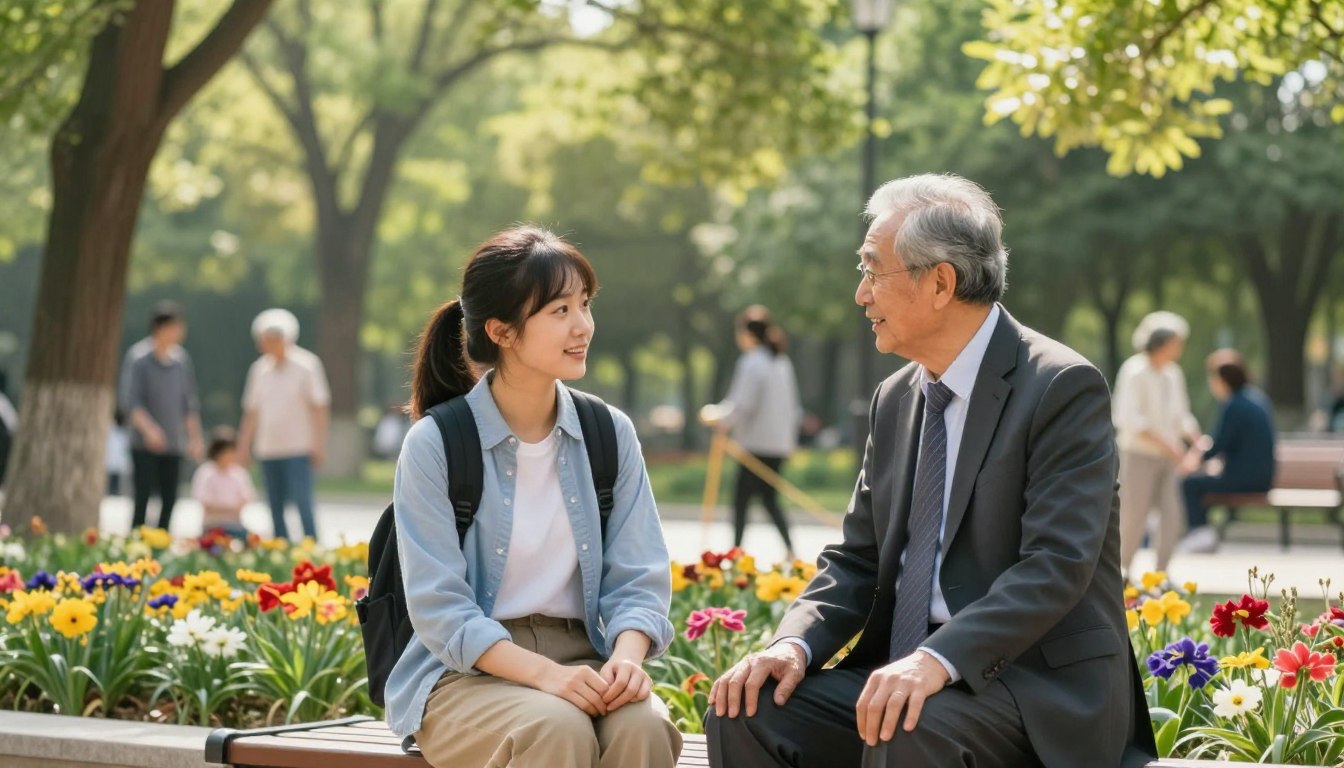
Did you know that over 60 million Americans live in multigenerational homes? This growing trend makes family wellness essential for everyday life. Managing various medical needs plus keeping everyone happy requires a smart plan.
True vitality starts when we recognize that every age group has unique requirements. From active toddlers to aging grandparents, the goal is to foster a supportive environment. Vitality flourishes when we address the physical plus emotional states of our kin.
You can create a home where everyone feels their best using simple routines. Helping your loved ones thrive is the ultimate reward of a cohesive lifestyle. Small shifts in your daily habits can lead to big improvements for your whole tribe.
Key Takeaways
- Identify specific needs for each age group.
- Create daily routines to provide stability.
- Improve communication between family members.
- Include physical activities that everyone enjoys.
- Focus on nutrition suitable for all ages.
- Lower stress with shared bonding moments.
Understanding the Unique Health Needs of Seniors and Youth
As we strive for a healthy senior-youth balance, it’s essential to delve into the unique health needs of both age groups. Intergenerational health initiatives can only be effective when they are based on a deep understanding of the distinct requirements of seniors and youth.
Identifying Senior-Specific Health Requirements
Seniors have specific health needs that are critical to their overall well-being. Two key areas of focus are chronic disease management and mobility and fall prevention.
Chronic Disease Management and Prevention
Managing chronic diseases is a significant health challenge for seniors. Conditions such as diabetes, heart disease, and arthritis require ongoing management to prevent complications. Effective management strategies include regular health check-ups, medication adherence, and lifestyle modifications such as diet and exercise.
Mobility and Fall Prevention Considerations
Mobility issues and fall prevention are also crucial for seniors. Falls can lead to serious injuries, such as hip fractures and head trauma, which can significantly impact a senior’s quality of life. Strategies to prevent falls include home safety assessments, exercise programs to improve balance and strength, and the use of assistive devices.
Recognizing Youth Health and Developmental Priorities
Youth have their own set of health and developmental priorities. Physical growth and nutritional demands are critical during this stage, as is mental health and social development.
Physical Growth and Nutritional Demands
Adequate nutrition is vital for the physical growth and development of youth. Ensuring access to nutrient-rich foods and promoting healthy eating habits are essential. Additionally, regular physical activity supports healthy growth and development.
Mental Health and Social Development
Mental health and social development are equally important for youth. Supportive environments that foster positive relationships and provide opportunities for social interaction are crucial. Early intervention for mental health issues can prevent long-term consequences.
Finding Common Ground Between Generations
While seniors and youth have distinct health needs, there are opportunities to find common ground. Intergenerational programs that bring together seniors and youth can promote mutual understanding and support. Activities such as shared meals, joint exercise programs, and mentorship initiatives can help bridge the gap between generations.
Creating an Integrated Wellness Approach for All Ages
A comprehensive wellness approach that addresses the needs of both seniors and youth is essential for family well-being. This involves understanding the unique requirements of each generation and finding ways to cater to them collectively.
Step 1: Conduct a Multi-Generational Health Assessment
The first step towards an integrated wellness approach is conducting a thorough health assessment that considers the needs of all family members.
Documenting Current Health Status for Each Generation
It’s crucial to document the current health status of both seniors and youth. This includes noting any existing health conditions, physical limitations, and mental health considerations.
Key health indicators to track:
- Chronic health conditions
- Physical mobility and strength
- Mental health status
- Nutritional habits
Setting Realistic Goals for Family Wellness
After assessing the health status, setting realistic and achievable goals for family wellness is vital. These goals should be tailored to the needs and capabilities of both seniors and youth.
Example goals:
- Improving overall physical activity
- Enhancing nutritional habits
- Reducing stress and improving mental health
Step 2: Design Flexible Activity Schedules
Designing activity schedules that are flexible and accommodating to the needs of both seniors and youth is crucial.
Building Routine Around Shared Availability
Families should identify times when both seniors and youth are available and plan activities accordingly.
Adapting Plans for Energy Levels and Abilities
It’s essential to adapt activity plans according to the energy levels and physical abilities of family members.
Step 3: Implement Nutrition Plans That Serve Both Groups
Nutrition plays a vital role in the wellness of both seniors and youth. Implementing a nutrition plan that caters to the needs of both groups is essential.
| Nutritional Element | Considerations for Seniors | Considerations for Youth |
|---|---|---|
| Calcium Intake | Important for bone health | Crucial for bone development |
| Protein Intake | Supports muscle health | Essential for growth and development |
| Fiber Intake | Aids digestion | Supports healthy digestion and bowel habits |
Managing Time and Resources for Dual-Generation Care
Coordinating care for seniors and youth simultaneously can be challenging, but with the right strategies, it is achievable. Effective management of time and resources is essential to ensure that both age groups receive the care they need without compromising the well-being of caregivers.
Prioritizing Health Activities Without Caregiver Burnout
Caregivers must prioritize health activities for both seniors and youth while avoiding burnout. This requires a balanced approach that considers the needs of both age groups.
Creating a Sustainable Daily Routine
A well-planned daily routine is crucial for managing dual-generation care. This involves:
- Creating a schedule that accommodates the needs of both seniors and youth
- Allocating time for health activities, such as exercise and medication management
- Leaving some buffer time for unexpected tasks or emergencies
Recognizing Warning Signs of Stress
Caregivers should be aware of the warning signs of stress, which include:
- Physical symptoms like headaches or fatigue
- Emotional changes, such as irritability or anxiety
- Changes in appetite or sleep patterns
Recognizing these signs early can help caregivers take proactive steps to manage their stress.
Leveraging Community Resources and Support Systems
Community resources and support systems play a vital role in managing dual-generation care. Caregivers can benefit from:
Finding Local Programs for Seniors and Youth
Local programs can provide valuable support for both seniors and youth. These may include:
- Recreational activities for seniors, such as senior centers or adult day care
- After-school programs or youth clubs for young people
- Health education workshops or support groups
Connecting with Support Groups
Support groups can offer emotional support and practical advice for caregivers. These groups can be found through:
- Local community centers or places of worship
- Online forums or social media groups
- Healthcare providers or social service organizations
Using Technology to Streamline Health Management
Technology can significantly simplify health management for dual-generation care. Caregivers can use:
- Digital calendars to schedule appointments and reminders
- Health management apps to track medication, exercise, and other health metrics
- Video conferencing tools to stay connected with healthcare providers and family members

By leveraging these strategies, caregivers can manage their responsibilities more effectively, ensuring that both seniors and youth receive the care they need while maintaining their own well-being.
Building a Senior and Youth Health Balance Through Intergenerational Activities
A healthy senior-youth balance can be achieved through intergenerational activities that promote mutual understanding and respect. By engaging in shared activities, both seniors and youth can benefit from improved physical health, enhanced mental wellbeing, and stronger social connections.
Physical Activities That Engage Both Generations
Physical activities are essential for maintaining health across all age groups. Engaging in exercises that are enjoyable for both seniors and youth can foster a sense of community and cooperation.
Low-Impact Exercises Everyone Can Enjoy
Low-impact exercises such as brisk walking, yoga, and tai chi are ideal for both seniors and youth. These activities promote flexibility, balance, and cardiovascular health without putting excessive strain on the body.
Outdoor Activities for Different Fitness Levels
Outdoor activities like gardening, cycling, or simply playing games can be adapted to different fitness levels, ensuring that everyone can participate and enjoy the benefits of being outdoors.

Mental Health and Social Connection Strategies
Mental health is just as important as physical health, and intergenerational activities can play a significant role in supporting mental wellbeing.
Shared Hobbies and Creative Projects
Engaging in shared hobbies or creative projects can help build strong bonds between seniors and youth. Activities such as painting, cooking, or crafting not only foster creativity but also provide opportunities for social interaction.
Communication Practices That Strengthen Bonds
Effective communication is key to strengthening intergenerational bonds. Practices such as active listening, storytelling, and regular check-ins can help build trust and understanding between seniors and youth.
Educational and Skill-Sharing Opportunities
Intergenerational activities can also include educational and skill-sharing opportunities, where seniors can share their experience and knowledge with younger generations.
By implementing these strategies, communities can promote a healthy balance between seniors and youth, enhancing overall wellbeing and fostering a more cohesive society.
Conclusion
Achieving a healthy senior-youth balance is crucial for overall family wellness. By understanding the unique health needs of both seniors and youth, families can create a supportive environment that caters to all members.
Implementing an integrated wellness approach that includes multi-generational health assessments and nutrition plans can significantly enhance family health. Creating opportunities for intergenerational activities promotes mental well-being and social connections among family members.
By prioritizing senior and youth health balance, families can maintain a healthy balance and look forward to a healthier, more balanced life, where every member feels valued and cared for, ultimately enhancing overall family wellness.