
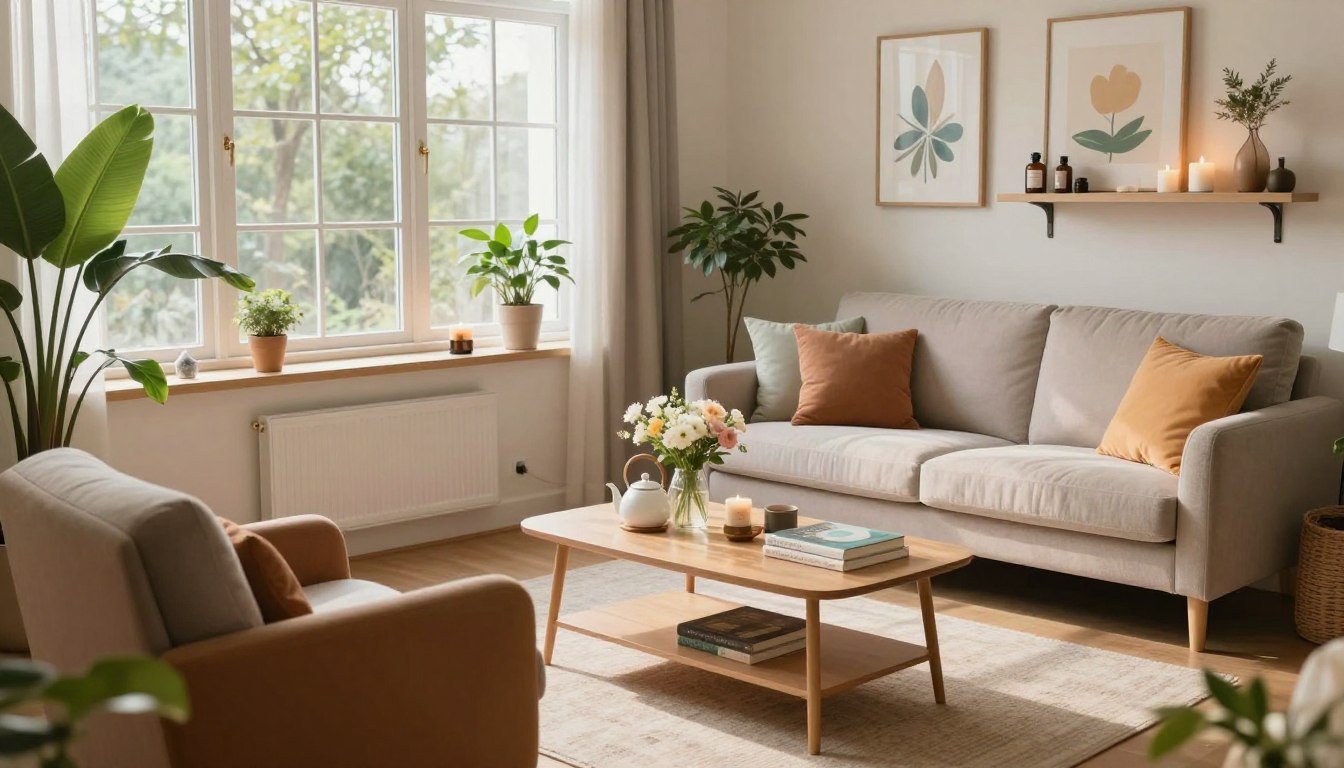
Did you know that the average American spends about 90% of their life inside four walls? This striking statistic shows that our indoor spaces play a massive role in our long-term health. Building a nurturing and healthy space is a vital step toward a more balanced lifestyle.
Every choice we make about the products we use and the air we breathe affects our daily energy. By making clear choices about your living area, you can improve your physical and mental health. A nurturing atmosphere supports every family member in a positive and real way.
Creating a peaceful retreat involves more than just basic cleaning or organizing. It is about crafting a sanctuary that promotes green habits and helps reduce daily stress. Small shifts in your daily routine can lead to lasting happiness for everyone at home.
Key Takeaways
- Improve air quality through natural ventilation and plants.
- Choose sustainable and non-toxic home products for safety.
- Prioritize both physical and mental health in daily design.
- Create a nurturing atmosphere to support all family members.
- Reduce stress by designing a quiet and peaceful sanctuary.
- Use green habits to promote a healthy and stable lifestyle.
1. Assess Your Current Living Space for Wellness Opportunities
A healthier home starts with understanding the current condition of your living space and identifying areas for improvement. Assessing your home’s wellness opportunities is the first step towards creating a healthier living environment.
To start, it’s crucial to evaluate various aspects of your home. This includes examining the air you breathe, the products you use, and the overall maintenance of your living space.
Evaluate Indoor Air Quality and Ventilation Systems
One of the critical factors in household wellness is indoor air quality. Poor ventilation can lead to the accumulation of pollutants and moisture, which can negatively impact health. Check your ventilation systems to ensure they are functioning correctly and consider upgrading if necessary.
Key areas to inspect include:
- Ductwork for dust and debris
- Filters for replacement or cleaning
- Vent openings for blockages
Identify Hidden Sources of Toxins and Pollutants
Many household items can be sources of toxins and pollutants. Old furniture, carpets, and paint can contain harmful chemicals. Identifying these sources is crucial for mitigating their impact on your health.
Common hidden sources include:
- Lead-based paint
- Formaldehyde in furniture
- Volatile Organic Compounds (VOCs) in carpets and adhesives
Review Your Cleaning Products and Maintenance Supplies
The products you use for cleaning and maintenance can significantly impact indoor air quality and overall wellness. Many conventional products contain harsh chemicals that can contribute to indoor pollution.
Consider switching to eco-friendly alternatives that are free from harmful chemicals. Some effective natural cleaning agents include:
- Baking soda
- Vinegar
- Essential oils
By assessing your current living space and addressing these areas, you can significantly improve your home’s wellness environment. Simple actions, such as replacing old filters or switching to eco-friendly cleaning products, can make a substantial difference.
2. Improve Indoor Air Quality for Healthier Breathing
A healthier home starts with better indoor air quality, which is vital for overall wellness. Indoor air quality improvement is a critical aspect of eco-friendly living ideas, as it directly impacts the health and comfort of the inhabitants.
To achieve better indoor air quality, several steps can be taken. Firstly, it’s essential to address the sources of pollution and implement measures to reduce or eliminate them.
Install HEPA Air Purifiers and Replace HVAC Filters Regularly
One effective way to improve indoor air quality is by installing HEPA (High Efficiency Particulate Air) air purifiers. These devices can capture 99.97% of particles as small as 0.3 microns, significantly reducing airborne pollutants. Regularly replacing HVAC filters is also crucial, as dirty filters can circulate dust, allergens, and other pollutants throughout the home.
Add Air-Purifying Plants Like Spider Plants and Peace Lilies
In addition to mechanical air purifiers, certain plants are known to naturally purify the air. Spider plants and peace lilies are examples of such plants that can enhance indoor air quality by removing toxins and pollutants. Incorporating these plants into your home decor can be a beautiful and natural way to improve air quality.
Optimize Ventilation by Opening Windows and Using Exhaust Fans
Proper ventilation is key to maintaining good indoor air quality. Opening windows allows fresh air to enter and stale air to escape, while using exhaust fans in kitchens and bathrooms helps remove moisture and pollutants. This simple practice can significantly improve indoor air quality.
Eliminate Common Pollutants Like VOCs and Mold
Volatile Organic Compounds (VOCs) and mold are common indoor pollutants that can be detrimental to health. Using non-toxic paints and maintaining a dry environment can help eliminate these pollutants. Regular cleaning and inspections can also help identify and address potential sources of VOCs and mold.
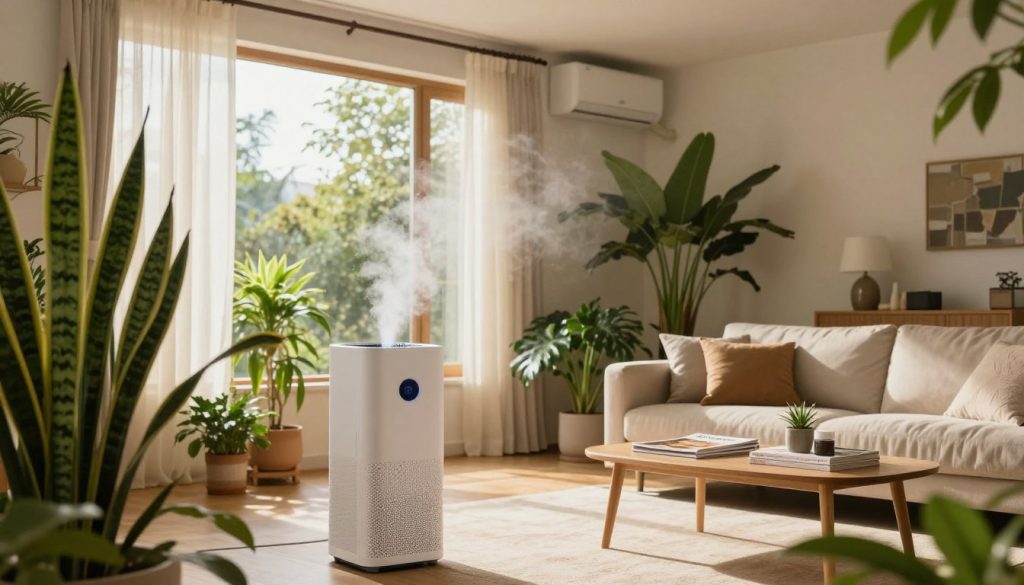
| Method | Description | Benefits |
|---|---|---|
| HEPA Air Purifiers | Capture 99.97% of particles as small as 0.3 microns | Reduces airborne pollutants, improves respiratory health |
| Air-Purifying Plants | Naturally remove toxins and pollutants | Enhances air quality, adds aesthetic value |
| Proper Ventilation | Opening windows and using exhaust fans | Removes stale air, reduces moisture and pollutants |
3. Switch to Natural Cleaning Products and Toxin-Free Solutions
To cultivate a healthier living space, it’s essential to reassess your cleaning products and household materials. The products we use daily can significantly impact indoor air quality and overall well-being.
Replace Chemical Cleaners with Plant-Based Alternatives
Switching to natural cleaning products is a significant step towards a healthier home. Plant-based alternatives are not only gentler on surfaces but also on the environment. Eco-friendly cleaning solutions are becoming increasingly accessible, making it easier to make the switch.
Create DIY Cleaning Solutions with Vinegar and Baking Soda
One effective way to avoid harsh chemicals is by creating your own cleaning solutions. Using vinegar and baking soda, you can make a variety of cleaners that are both effective and environmentally friendly. For example, a simple mixture of vinegar and water can be used as a multipurpose cleaner.
Choose Certified Eco-Friendly Brands Like Seventh Generation and Method
If DIY isn’t your preference, look for certified eco-friendly brands. Companies like Seventh Generation and Method offer a range of products that are free from harsh chemicals and better for the environment. These brands are committed to sustainability and transparency in their formulations.
Remove Harmful Personal Care Products Containing Parabens and Phthalates
Personal care products can also be a source of toxins in the home. Parabens and phthalates, commonly found in cosmetics and hygiene products, have been linked to health concerns. Opting for products that are labeled as paraben-free and phthalate-free can reduce exposure to these harmful chemicals.
Select Non-Toxic Furniture and Flooring Materials
The materials used in furniture and flooring can also impact indoor air quality. Choosing non-toxic materials like solid wood or natural stone can minimize indoor pollution. For instance, selecting a natural fiber rug over synthetic ones can reduce allergens and improve air quality.
4. Implement Sustainable Household Practices for Green Living
Embracing sustainable household practices is a crucial step towards achieving a greener and healthier living environment. By making conscious choices in our daily lives, we can significantly reduce our ecological footprint and enhance the well-being of our families.
One of the foundational steps in adopting sustainable household practices is to reduce, reuse, and recycle. This can be effectively achieved by setting up comprehensive systems that make recycling and composting a part of your daily routine.
Composting and Recycling Systems
Setting up composting and comprehensive recycling systems is a straightforward way to reduce waste. Composting organic waste not only reduces the amount of trash sent to landfills but also creates nutrient-rich soil for your garden. Ensure you have separate bins for recyclables, compostables, and regular waste to make the process efficient.
Water-Saving Fixtures and Energy-Efficient Appliances
Installing water-saving fixtures and energy-efficient appliances is another critical step. These fixtures and appliances are designed to use less water and energy without compromising on performance. For example, low-flow showerheads and toilets can significantly reduce water consumption, while LED bulbs and Energy Star-rated appliances can lower energy usage.
Organic Bedding, Towels, and Reusable Household Items
Choosing organic bedding, towels, and reusable household items is a simple yet effective way to reduce your household’s environmental impact. Opt for products made from natural materials that are sustainably sourced. Reusable bags, containers, and water bottles can significantly cut down on single-use plastics.
By implementing these sustainable household practices, you not only contribute to a healthier planet but also create a safer, more sustainable living environment for yourself and your loved ones.
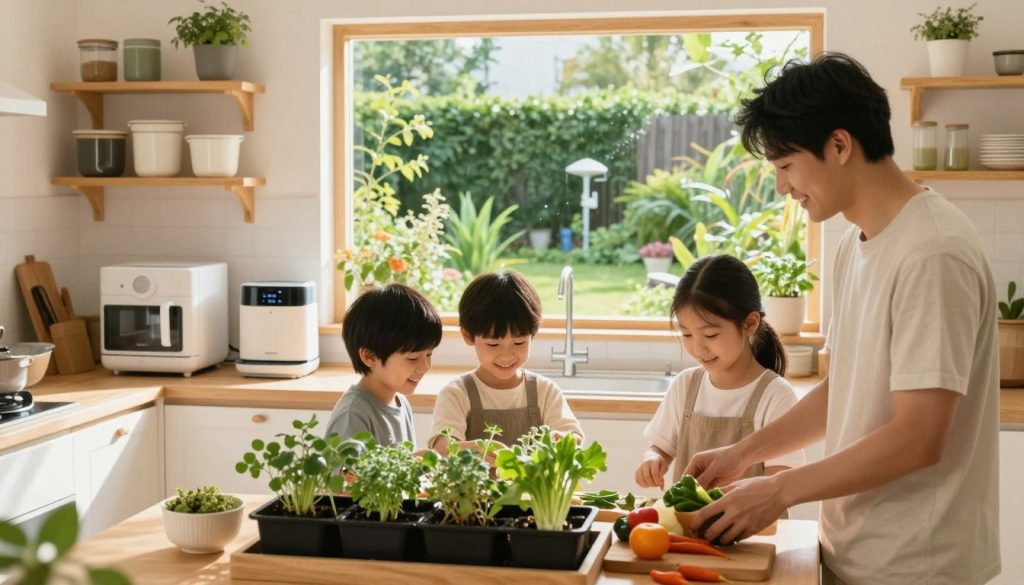
5. Design Your Household Wellness Environment with Dedicated Spaces
Transforming your home into a wellness sanctuary is a worthwhile investment. By creating dedicated spaces that promote relaxation, exercise, and mindfulness, you can significantly enhance your overall well-being and quality of life.
Create a Sleep-Optimized Bedroom
A sleep-optimized bedroom is essential for restful sleep and overall health. To achieve this, consider using blackout curtains to block out any light and maintaining cool temperatures between 60-67°F (15-19°C) for optimal sleep conditions.
Investing in a comfortable mattress and pillows can also greatly improve sleep quality. Additionally, removing electronic devices such as TVs and computers from the bedroom can help create a relaxing environment conducive to sleep.
Establish a Home Exercise Area
Having a dedicated space for exercise at home can encourage regular physical activity. Start by designating a specific area for exercise, such as a corner of a room or a section of your garage, and equip it with essentials like yoga mats and resistance bands.
This space should be well-ventilated and have enough room to move around comfortably. Consider adding a mirror to help with form and technique during workouts.
Set Up a Quiet Meditation Corner
A quiet meditation corner can provide a peaceful retreat for mindfulness practices. To create this space, choose a quiet area of your home and furnish it with cushions and calming decor such as plants or a water feature.
Ensure that the space is free from distractions and has a calming atmosphere. You can also consider using aromatherapy or soft lighting to enhance the ambiance.
Maximize Natural Light and Choose Soothing Color Palettes
Maximizing natural light in your home can uplift your mood and create a sense of well-being. Open curtains and blinds during the day to let sunlight in, and consider using mirrors to reflect natural light into darker areas.
Choosing soothing color palettes such as light blue or pale green for your walls can also contribute to a calming atmosphere. These colors are known to promote relaxation and serenity.
6. Conclusion
Creating a household wellness environment is a journey that involves making intentional decisions about your living space. By assessing your home, improving indoor air quality, switching to natural products, adopting sustainable practices, and designing dedicated wellness spaces, you can significantly enhance your well-being and the environment.
Every small change counts, and the collective impact of these changes can lead to a healthier, more balanced, and sustainable home. As you embark on this journey, remember that cultivating a household wellness environment is about progress, not perfection. Start with what feels most manageable and build from there.
By embracing this holistic approach, you not only improve your own health and happiness but also contribute to a more sustainable future. Your household wellness environment is a sanctuary that nurtures both you and the planet.