

Did you know the average American spends nearly 90% of their time indoors? This surprising fact shows that our indoor environment dictates our daily health and happiness.
Focusing on a healthy living space is the first step toward better habits. Transforming your residence into a sanctuary ensures you recharge properly every night.
Embracing these changes builds balance in a busy world. It is time to improve your surroundings to boost your energy naturally.
Key Takeaways
- Prioritize clean air quality in your residence.
- Maximize natural light to lift your spirits.
- Create quiet zones for daily rest.
- Add green plants for better air.
- Clear out clutter to reduce stress levels.
- Choose safe, non-toxic materials for your rooms.
Understanding Your Home as a Wellness Foundation
The concept of a vitality-centered living space is rooted in the idea that our surroundings play a crucial role in our overall health and happiness. As we strive to create a home that not only shelters us but also nurtures our well-being, understanding the foundational elements of such a space becomes essential.
To embark on this journey, it’s crucial to first comprehend what makes a living space conducive to wellness. A vitality-centered home is designed with intention, incorporating elements that promote physical, mental, and emotional health.
What Defines a Vitality-Centered Living Space
A vitality-centered living space is characterized by its ability to support the well-being of its inhabitants. This can be achieved through mindful home design, which considers the impact of the built environment on occupants’ health. According to wellness experts,
“A well-designed home can significantly enhance one’s quality of life by promoting relaxation, productivity, and overall wellness.”
Such a space is not just aesthetically pleasing but is also imbued with practices and elements that foster a healthy lifestyle. This includes the integration of natural light, air quality management, and the incorporation of natural elements, all of which contribute to a holistic approach to health.
Assess Your Current Home Environment
Before making changes, it’s essential to assess your current living situation. Take stock of your home’s layout, decor, and overall ambiance. Ask yourself: Does your home feel welcoming and relaxing, or is it cluttered and stressful? Are there areas dedicated to wellness practices such as meditation or exercise?
Understanding the current state of your home environment is the first step towards transforming it into a vitality-centered space.
Set Clear Wellness Intentions for Your Space
Once you have a clear picture of your current environment, the next step is to set clear wellness intentions. This involves defining what you want to achieve with your home in terms of wellness. Do you want to create a peaceful retreat for relaxation, or perhaps a vibrant space that encourages physical activity?
By setting clear intentions, you can begin to make informed decisions about how to design and use your space to support your wellness goals.
Creating a Healthy Physical Environment
Transforming your home into a haven of wellness starts with optimizing your physical environment. This involves making conscious decisions to improve the quality of the air you breathe, the light that illuminates your space, and the overall cleanliness and organization of your home.
Step 1: Optimize Indoor Air Quality and Ventilation
Good indoor air quality is fundamental to a healthy home environment. Poor air quality can lead to various health issues, including allergies and respiratory problems. To improve indoor air quality, consider the following steps:
Add Air-Purifying Plants Like Snake Plants and Pothos
Incorporating air-purifying plants into your home is a natural and effective way to enhance indoor air quality. Plants like snake plants and pothos are known for their ability to remove toxins from the air, making your home a healthier space.
Establish Daily Ventilation Routines
Regular ventilation is crucial for removing stale air and bringing in fresh air from outside. Open windows daily, especially after cooking or showering, to improve air circulation and reduce indoor pollutants.
Step 2: Maximize Natural Light Throughout Your Home
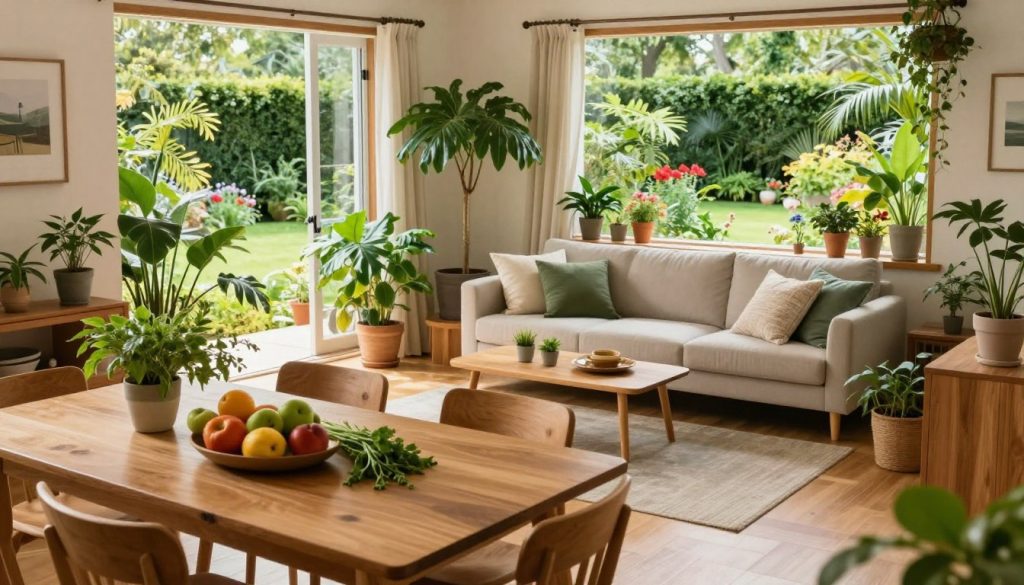
Natural light not only brightens up your home but also has numerous health benefits, including boosting mood and energy levels. To maximize natural light, follow these tips:
Arrange Furniture to Capture Sunlight
The arrangement of your furniture can significantly impact the amount of natural light that enters your home. Position furniture in a way that allows sunlight to flow freely into your living spaces.
Choose Sheer Curtains and Reflective Surfaces
Using sheer curtains and reflective surfaces can help distribute natural light more evenly throughout your home. Sheer curtains allow sunlight to filter in while maintaining privacy, and reflective surfaces like mirrors can bounce light into darker areas.
Step 3: Remove Toxins and Reduce Clutter
A healthy home environment is not just about what you add to your space but also about what you remove. Reducing toxins and clutter can significantly improve your overall wellbeing.
Switch to Natural Cleaning Products
Many conventional cleaning products contain harsh chemicals that can pollute your indoor air and pose health risks. Switching to natural cleaning products is a simple yet effective way to reduce toxins in your home.
Implement a Room-by-Room Decluttering System
Clutter can contribute to stress and make your home feel less relaxing. Implementing a room-by-room decluttering system can help you tackle clutter effectively and maintain a more organized and peaceful living space.
| Action | Benefit |
|---|---|
| Add air-purifying plants | Improve indoor air quality |
| Establish daily ventilation routines | Reduce indoor pollutants |
| Maximize natural light | Boost mood and energy levels |
| Switch to natural cleaning products | Reduce toxins in the home |
| Declutter your home | Reduce stress and improve relaxation |
Building Your Vitality Centered Home Lifestyle Through Movement
A home that encourages physical activity can significantly enhance your overall quality of life. By incorporating elements that promote movement, you can create a space that supports your wellness goals and fosters a healthier lifestyle.
Step 4: Create a Dedicated Exercise Area
Designating a specific area for exercise can help you stay motivated and committed to your fitness routine. This space can be tailored to your needs, whether you prefer yoga, weightlifting, or cardio exercises.
Select Compact Equipment for Home Workouts
Choosing the right equipment for your home workout space is crucial. Opt for compact and versatile tools that can be used for a variety of exercises, such as resistance bands, adjustable dumbbells, and foldable treadmills.
For example, a set of adjustable dumbbells can replace multiple weights, saving space while providing a full-body workout. Consider the following table to understand the benefits of different compact equipment:
| Equipment | Benefits | Space Requirement |
|---|---|---|
| Resistance Bands | Portable, versatile, and cost-effective | Minimal |
| Adjustable Dumbbells | Space-saving, adjustable weight | Compact |
| Foldable Treadmill | Convenient for cardio workouts, foldable design | Moderate |
Design a Multi-Purpose Yoga and Stretching Zone
A dedicated yoga and stretching area can enhance your flexibility and mental well-being. Ensure the space is quiet, well-ventilated, and equipped with a good yoga mat and any props you may need.
Step 5: Integrate Active Living Into Daily Routines
Incorporating physical activity into your daily routine can be achieved through simple changes to your home environment. By making a few adjustments, you can encourage more movement throughout the day.
Set Up an Ergonomic Standing Desk
Using a standing desk can help reduce sedentary behavior and improve posture. Ensure the desk is at a comfortable height to avoid straining your back or neck.
Position Furniture to Encourage Movement
Arrange your furniture in a way that promotes movement. For example, placing a trash can across the room encourages you to get up and walk to it, rather than remaining seated.
Step 6: Connect Your Indoor Space to Nature
Connecting with nature can have a positive impact on both physical and mental health. By bringing elements of the outdoors into your home, you can create a more balanced living environment.
Create a Balcony or Patio Wellness Corner
If you have access to a balcony or patio, consider transforming it into a wellness area. Add some greenery, a comfortable seating area, and perhaps a few plants to create a peaceful retreat.
Install Window Boxes for Garden Access
Window boxes can provide easy access to gardening, allowing you to nurture plants while enjoying the benefits of being connected to nature. This can be a calming and fulfilling activity.
Establishing Nutrition and Sleep Wellness Zones
A well-rounded approach to wellness at home includes establishing zones that promote healthy eating and restorative sleep. By focusing on nutrition and sleep, you can significantly enhance your overall vitality and quality of life.
Transform Your Kitchen Into a Wellness Hub
Your kitchen is more than just a place to prepare meals; it’s a hub for nourishment and wellness. To transform it into a wellness hub, start by making healthy choices more accessible.
Organize Pantry and Refrigerator for Healthy Choices
Begin by organizing your pantry and refrigerator to prioritize healthy options. Remove unhealthy snacks and processed foods to reduce temptation and make room for nutritious alternatives.
Keep Whole Grains, Fresh Produce, and Lean Proteins Accessible
Ensure that whole grains, fresh produce, and lean proteins are easily accessible. This can be achieved by storing them in visible and convenient locations, making it simpler to prepare healthy meals.
“The food you eat can either be the safest and most powerful form of medicine or the slowest form of poison.”
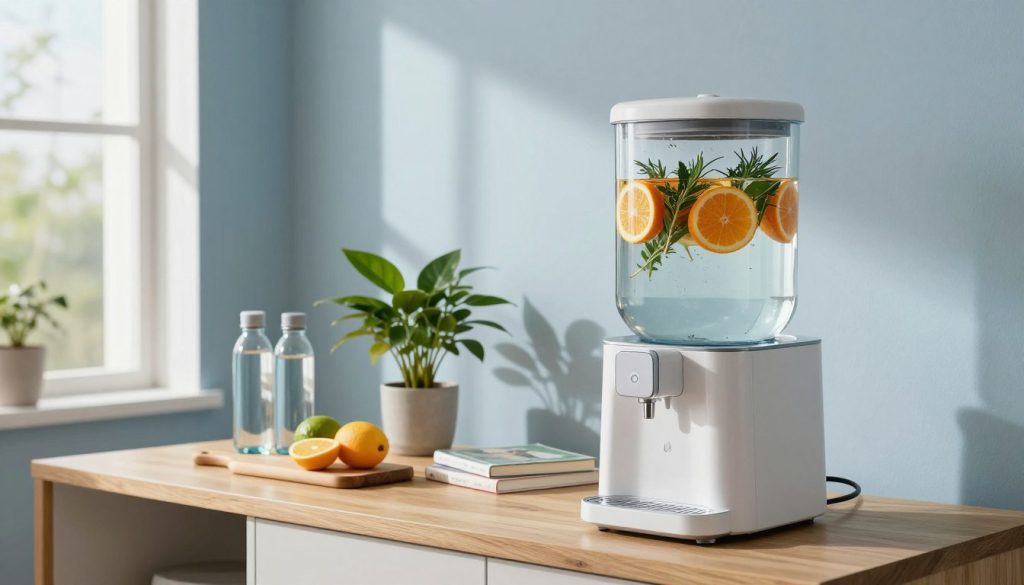
Set Up a Dedicated Hydration Station
Staying hydrated is crucial for overall health, and having a dedicated hydration station can encourage better habits.
Position Filtered Water Dispensers Strategically
Place filtered water dispensers in convenient locations throughout your home to encourage frequent hydration. This simple step can significantly impact your daily water intake.
Use Glass Containers and Infusion Bottles
Using glass containers and infusion bottles can add a touch of elegance to your hydration routine while keeping your water fresh and flavorful. Consider infusing your water with fruits or herbs for added benefits.
Optimize Your Bedroom for Restorative Sleep
A well-designed bedroom is essential for achieving restorative sleep. By optimizing your sleep environment, you can improve the quality of your rest.
Maintain Cool Temperature and Choose Breathable Bedding
Maintaining a cool bedroom temperature and selecting breathable bedding can significantly enhance sleep quality. A cooler environment promotes deeper sleep, while breathable fabrics help regulate body temperature.
Remove Electronics and Blue Light Sources
Removing electronics and blue light sources from your bedroom is crucial for creating a sleep-conducive environment. The absence of these distractions can help signal to your body that it’s time to sleep.
Nurturing Mental and Emotional Wellness at Home
Fostering a supportive and calming home environment is essential for overall wellness. As we continue to navigate the complexities of modern life, our homes serve as sanctuaries where we can recharge and find peace.
To nurture mental and emotional wellness, it’s crucial to thoughtfully design our living spaces. This involves creating areas that promote relaxation, reduce stress, and encourage healthy habits.
Step 10: Designate a Mindfulness and Meditation Corner
Creating a dedicated space for mindfulness and meditation can significantly enhance your mental well-being. This area should be quiet, comfortable, and free from distractions.
Include Comfortable Cushions and Soft Lighting
Comfortable seating and gentle lighting can make your mindfulness practice more enjoyable and effective. Consider using plush cushions and warm LED candles to create a soothing atmosphere.
Add Aromatherapy with Lavender and Eucalyptus
Aromatherapy can further enhance the calming effects of your mindfulness corner. Incorporate lavender and eucalyptus essential oils into your space through diffusers or scented candles to promote relaxation.
Step 11: Create Technology-Free Zones
Establishing technology-free zones in your home can help reduce stress and improve mental clarity. This is particularly important in areas where you relax and unwind.
Establish Boundaries in Bedrooms and Dining Areas
Make your bedroom and dining area technology-free to promote better sleep and more mindful eating. Use alarm clocks instead of smartphones to wake up, and engage in meaningful conversations during meals.
Provide Alternative Activities Like Reading and Journaling
Encourage alternative activities in technology-free zones, such as reading or journaling. These activities can help you unwind and reflect on your day.
Step 12: Incorporate Biophilic Design Elements
Biophilic design involves bringing elements of nature into your home to promote a sense of well-being. This can include plants, natural materials, and nature-inspired decor.
Display Peace Lilies, Spider Plants, and Bamboo Palm
Certain plants are known for their air-purifying qualities and calming presence. Consider adding peace lilies, spider plants, and bamboo palms to your indoor spaces.
Use Wood, Stone, and Natural Fiber Materials
Incorporating natural materials like wood, stone, and natural fibers can add warmth and texture to your home. Use these materials in furniture, decor, and flooring to create a cozy and inviting atmosphere.
Here’s a summary of the benefits of incorporating biophilic design elements:
| Element | Benefits |
|---|---|
| Peace Lilies | Air purification, calming presence |
| Wood Accents | Warmth, natural beauty |
| Natural Fibers | Texture, sustainability |
Conclusion
Creating a holistic home environment is a journey that transforms your living space into a haven of wellness and vitality. By implementing the steps outlined in this article, you can cultivate a vitality centered home lifestyle that nurtures your physical, mental, and emotional well-being.
As you embark on this journey, remember that every small change contributes to a larger impact. From optimizing indoor air quality to designing mindfulness corners, each step brings you closer to a holistic home environment that supports your overall health.
By integrating wellness-focused elements into your daily life, you’ll not only enhance your living space but also foster a deeper connection with yourself and those around you. Start your path towards a vitality centered home lifestyle today and discover the profound effects it can have on your overall quality of life.