

Did you know that the average household in the United States spends only thirty-seven minutes of quality time together on weekdays? This surprising fact highlights how modern routines often pull us away from those we love most. Finding a way to reconnect is essential for long-term happiness and mental health.
By building a strong family unit, you create a supportive environment where everyone can truly flourish and grow. This path transforms your home into a space of growth and mutual respect.
The shared habits you build today define the strength of your bonds tomorrow. This approach focuses on small, impactful changes that lead to lasting wellness and joy for every member of the house. It helps you move past the daily grind to find real meaning in your shared time.
Embracing this new path allows you to prioritize health and emotional support. It is a friendly way to ensure your home remains a peaceful sanctuary in a very busy world. Start this journey today to see how much more vibrant your home can become.
Key Takeaways
- Increase meaningful daily quality time together.
- Strengthen emotional bonds between all members.
- Improve overall household health and energy.
- Create sustainable and positive daily routines.
- Foster a supportive and loving home environment.
- Ensure long-term well-being for parents and children.
Why Your Family Needs More Than Just Wellness Tips
The quest for a healthy family is often hindered by fragmented approaches to wellness. In the pursuit of well-being, many families find themselves overwhelmed by a multitude of wellness tips and advice, lacking a unified strategy that addresses their overall health.
While individual wellness tips can be beneficial, they often fall short in creating a cohesive family health plan. A holistic approach to family health is essential for building a strong, resilient family unit.
The Hidden Cost of Fragmented Family Health Approaches
Fragmented health approaches can lead to a range of issues, including:
- Confusion and frustration due to conflicting advice
- Inefficiency in achieving health goals
- A lack of long-term sustainability in health practices
These issues can result in a significant hidden cost to families, not just financially but also in terms of time and emotional well-being.
How Building a Strong Family Unit Starts with Holistic Health
Building a strong family unit begins with adopting a holistic health approach that considers the physical, emotional, and mental well-being of all family members. This comprehensive strategy fosters a supportive environment where everyone can thrive.
Key elements of holistic family health include:
- Nurturing emotional connections among family members
- Promoting healthy lifestyle choices
- Encouraging open communication about health and wellness
The Connection Between Family Harmony and Overall Well-Being
There is a profound connection between family harmony and overall well-being. When families work together towards common health goals, they build a foundation for long-term wellness and happiness.
By focusing on maintaining family harmony through holistic health practices, families can create a positive, supportive environment that benefits everyone.
Understanding the Family Vitality Lifestyle System
The Family Vitality Lifestyle System offers a holistic method for enhancing family health and harmony. This system is built on a comprehensive approach that addresses the multifaceted needs of families, ensuring a balanced and fulfilling life for all members.
The Four Core Components of Holistic Family Health
The Family Vitality Lifestyle System is grounded in four core components that work together to foster a healthy, supportive, and loving family environment. These components are designed to be interconnected, ensuring that every aspect of family health is addressed.
Physical Wellness and Nutrition Foundations
A strong foundation in physical wellness and nutrition is crucial for the overall health of the family. This involves adopting healthy family habits such as balanced eating, regular physical activity, and sufficient rest. By prioritizing nutrition and physical wellness, families can boost their energy levels, improve their mood, and reduce the risk of chronic diseases.
- Eating a balanced diet rich in fruits, vegetables, and whole grains
- Engaging in regular physical activities together as a family
- Ensuring adequate sleep and rest for all family members
Nurturing Family Relationships Through Communication
Nurturing family relationships is vital for creating a supportive and loving home environment. Effective communication is at the heart of this component, involving active listening, expressing emotions, and resolving conflicts in a healthy manner. By fostering open and honest communication, families can strengthen their bonds and build trust.
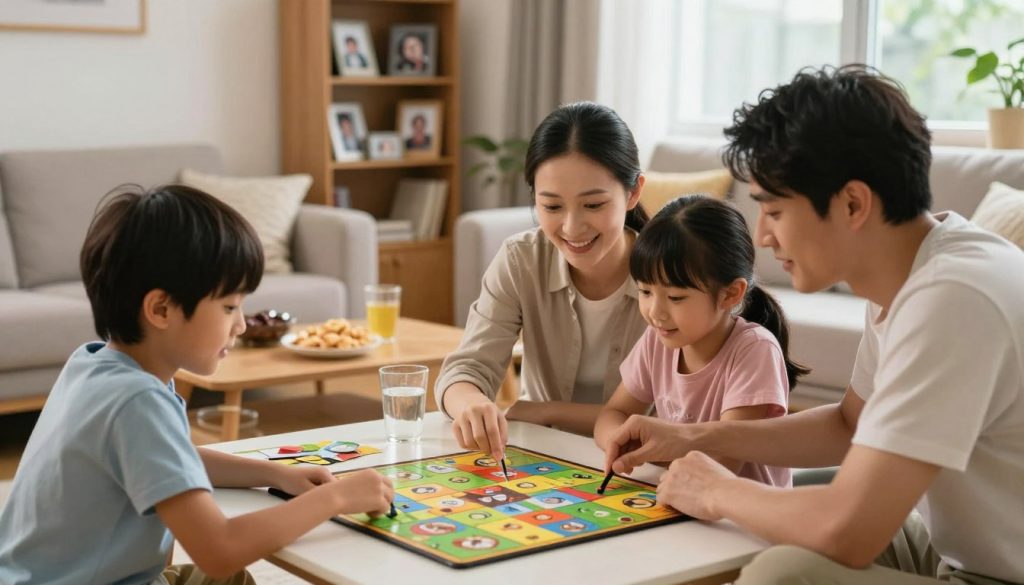
Emotional intelligence and mental health support are critical components of the Family Vitality Lifestyle System. By teaching family members to recognize, understand, and manage their emotions, families can create a more empathetic and supportive environment. This involves practicing mindfulness, managing stress, and seeking professional help when needed.
Creating a Happy Family Environment with Shared Experiences
Creating a happy family environment is achieved by sharing experiences and making memories together. This can include a wide range of activities, from simple daily routines to special events and traditions. By prioritizing shared experiences, families can foster a sense of unity and joy.
- Planning regular family activities and outings
- Establishing family traditions and rituals
- Engaging in hobbies and interests together
Why This System Works When Other Methods Fall Short
The Family Vitality Lifestyle System stands out from other approaches to family health because of its comprehensive and integrated design. By addressing the physical, emotional, and relational aspects of family well-being, this system provides a holistic solution that is both sustainable and effective.
Unlike fragmented approaches that focus on a single aspect of health, the Family Vitality Lifestyle System recognizes the interconnectedness of family members and their needs. This holistic approach ensures that families receive the support they need to thrive in all areas of their lives.
How to Build Your Family’s Personalized Vitality Plan
Creating a personalized vitality plan for your family is a journey that begins with understanding your unique needs and goals. This tailored approach will help you foster a healthier, more harmonious family environment.
Step 1: Conduct a Family Wellness Assessment Together
Begin by conducting a comprehensive family wellness assessment. This involves evaluating various aspects of your family’s health and well-being.
Evaluating Physical Health Patterns
Assess your family’s physical health by tracking eating habits, sleep patterns, and physical activity levels. Identify areas for improvement and discuss ways to make healthier choices.
- Track daily food intake and identify nutritional gaps
- Monitor sleep quality and duration
- Assess current physical activity levels and types
Identifying Emotional and Relational Strengths and Gaps
Evaluate your family’s emotional well-being and relationships by considering factors such as stress levels, communication patterns, and bonding activities.
- Discuss stressors and coping mechanisms as a family
- Assess the quality of family interactions and communication
- Identify activities that promote bonding and connection
Step 2: Define Your Family’s Health Vision and Goals
Based on your assessment, define a clear health vision and set achievable goals for your family. This will serve as the foundation for your vitality plan.
Key considerations:
- Make sure goals are specific, measurable, and attainable
- Involve all family members in the goal-setting process
- Prioritize goals based on importance and feasibility
Step 3: Design Your Weekly Family Vitality Schedule
Create a schedule that incorporates healthy habits and activities that align with your family’s goals and vision.
Morning Routines That Energize Everyone
Establish a morning routine that sets a positive tone for the day. This could include activities like:
- Meditation or mindfulness practices
- Healthy breakfast options
- Physical activity, such as yoga or a short walk

Develop evening rituals that promote relaxation and connection among family members. Examples include:
- Having a family dinner without screens
- Engaging in a relaxing activity together, like reading or listening to music
- Establishing a consistent bedtime routine
Step 4: Implement Healthy Family Habits Gradually
Implementing healthy habits gradually is crucial for long-term success. Start with small changes and build upon them over time.
Tips for successful implementation:
- Start with one or two changes at a time
- Monitor progress and make adjustments as needed
- Celebrate successes along the way to maintain motivation
Promoting Family Well-Being Through Sustainable Practices
To truly promote family well-being, it’s essential to adopt practices that are not only effective but also sustainable over time. This involves creating a holistic approach to family health that encompasses various aspects of life, from nutrition and physical activity to mental well-being and social connections.
Creating Accountability Without Pressure
One of the key elements in sustaining a family vitality lifestyle is creating accountability without pressure. This can be achieved by setting realistic goals and celebrating small victories along the way. By doing so, family members feel motivated and encouraged to continue their healthy habits without feeling overwhelmed.
Regular family meetings can also play a crucial role in maintaining accountability. These meetings provide an opportunity for each member to share their progress, discuss challenges, and work together to find solutions. It’s essential to maintain a supportive environment where everyone feels heard and valued.
Adapting Your System for Different Ages and Life Stages
As family members grow and develop, their needs and capabilities change. It’s crucial to adapt the Family Vitality Lifestyle System to accommodate these changes. For instance, younger children may require more guidance and structure, while teenagers may need more autonomy and flexibility.
By being flexible and responsive to the evolving needs of family members, you can ensure that the system remains relevant and effective over time. This might involve adjusting meal plans, activity levels, or stress management techniques to suit different ages and life stages.
Troubleshooting Common Challenges and Maintaining Momentum
Despite the best intentions, families may encounter challenges when implementing and maintaining their vitality plan. Common obstacles include busy schedules, lack of motivation, and unexpected setbacks. To overcome these challenges, it’s essential to have a troubleshooting plan in place.
This can involve identifying potential roadblocks in advance, having contingency plans ready, and being willing to adjust the system as needed. By being proactive and flexible, families can maintain their momentum and continue to thrive in the long term.
Conclusion
By now, it’s clear that achieving overall family well-being requires more than just piecemeal wellness tips. The Family Vitality Lifestyle System offers a comprehensive approach to nurturing a healthier, more harmonious home environment. By understanding and implementing the strategies outlined, families can take significant steps towards maintaining family harmony and fostering a culture of wellness.
Implementing family wellness tips into your daily routine can have a profound impact on your family’s overall quality of life. By working together to create a personalized vitality plan, families can enjoy improved health, stronger relationships, and a more positive, supportive home environment.
As you embark on this journey, remember that every small step counts. Start with simple changes and build towards your goals, celebrating your successes along the way. With persistence and commitment, you can create a vibrant, thriving family life that benefits everyone.